
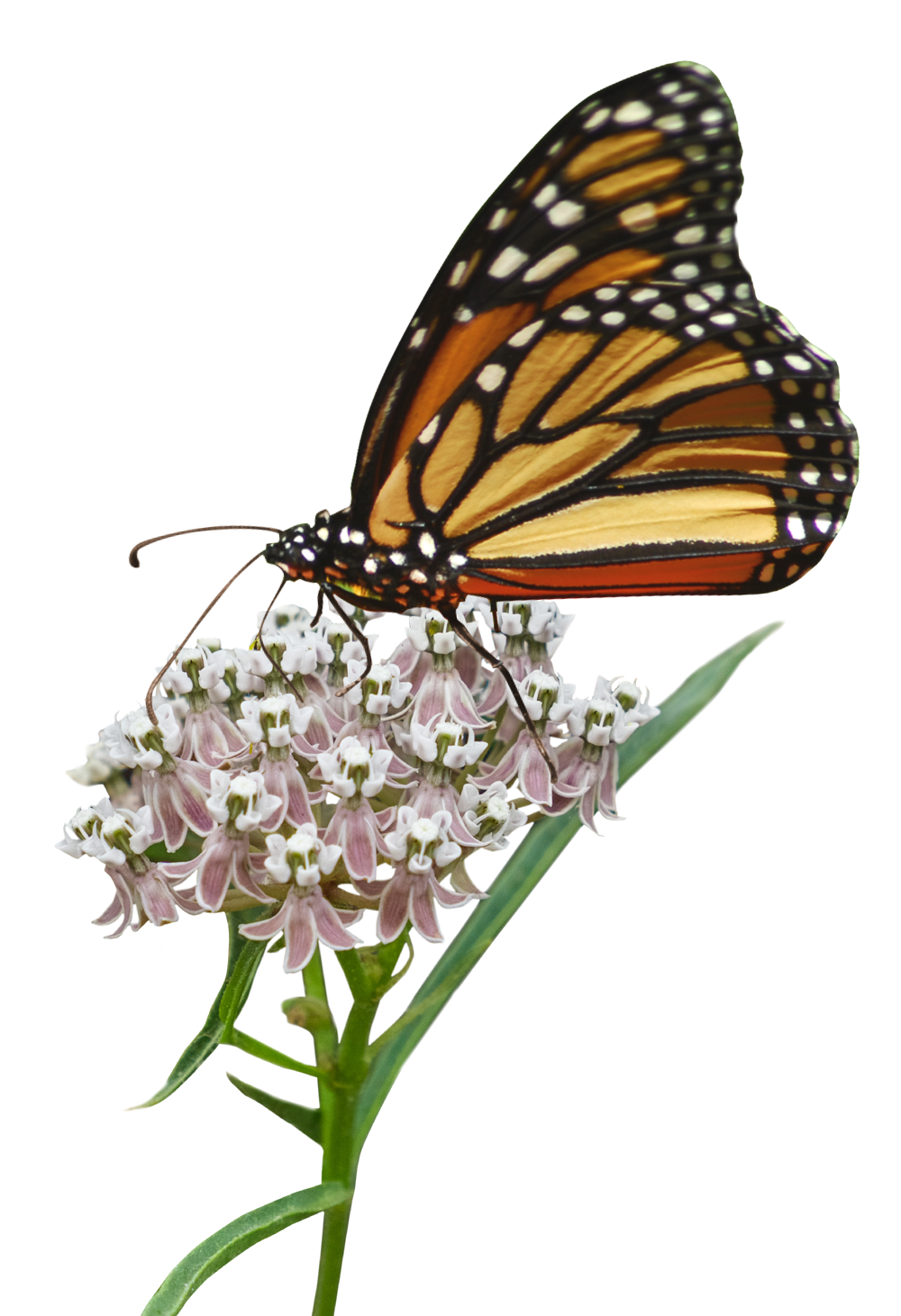
A Disappearing
HABITAT
Milkweed (Asclepias) is a critical habitat in every stage of the Monarch butterfly’s life and it is in rapid decline, dramatically and dangerously reducing the Monarch population; leaving them at risk of extinction. The good news is, we can help!
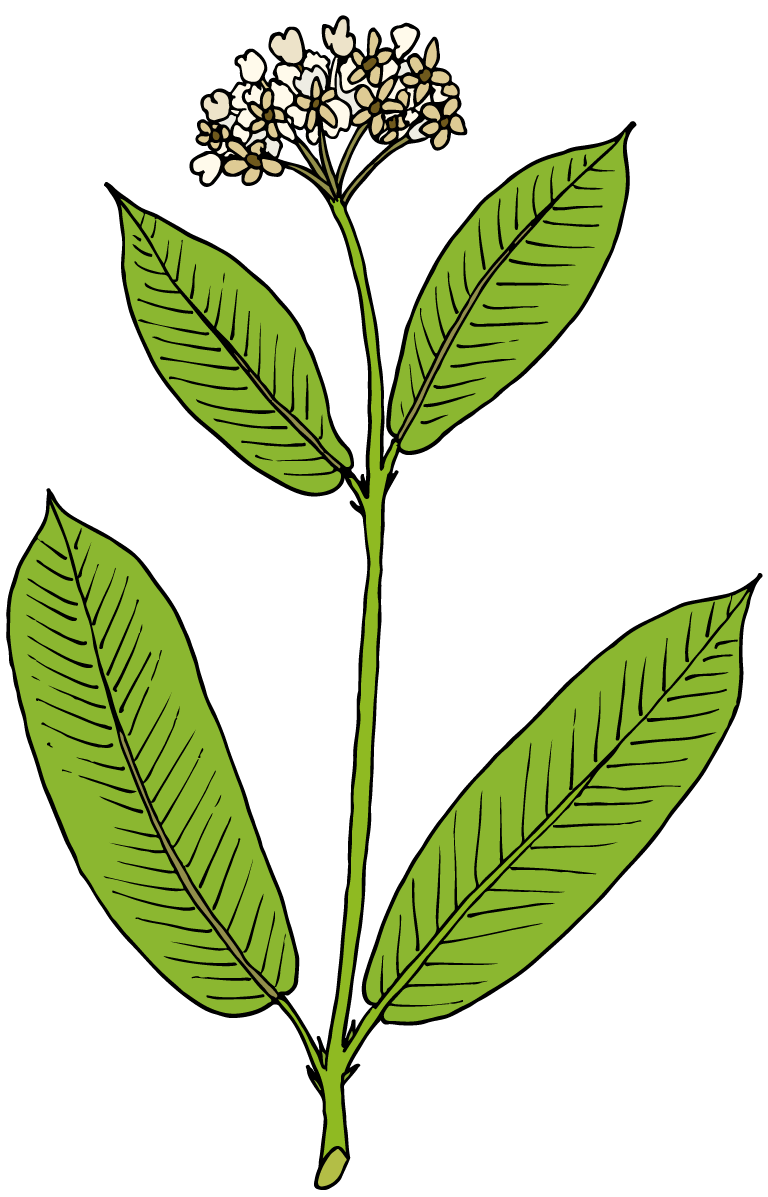

Research

Cultivation

Restoration

Conservation


Partnering for
SUCCESS
Success doesn’t happen overnight, and it certainly doesn’t happen alone. If you own a golf course, corporation with open space, or privately-owned land parcels; or are a grower, nursery owner or can help our mission, we need your help saving the Monarch from extinction.

00:00:07:17 - 00:00:29:22
I first became interested in monarch butterflies about 25 or 30 years ago in my backyard garden. The butterflies were just coming fast and furious. Western Monarch has had a 99% population decline since the 1980s. I wanted to take additional steps to try to help save them. So this was actually a pilot program for monarchs in the rough.
00:00:29:22 - 00:00:43:09
The golf course was nice enough to give me a parcel of land where it was an out of play area. Nothing was growing here, so they gave this to me to create a monarch and pollinator habitat.
00:00:43:09 - 00:00:57:09
A lot of volunteers came out planted a lot of plants, including milkweed, nectar, plants and a succulents and drought tolerant plants that we also put in here. So we were able to buy mature plants, mature milkweed, native milkweed.
00:00:57:09 - 00:01:25:16
We were doing some experimentation with the different types of milkweed that we could offer. The activity right now is actually blowing me away, but I'm really excited about in this habitat is I think that we've taken kind of the perfect combination of drought tolerant plants like succulents, milkweed, nectarine plants and everything that a monarch butterfly and all
00:01:25:16 - 00:01:39:06
The pollinators would just love and put it all together in one place. This basically surpassed any expectation that I have. You can do this in residential areas as well. It doesn't have to be all native wear. It sometimes looks like a jungle.
00:01:39:06 - 00:01:52:01
You can have organization, but you can have the highest in the conservation. I think that's possible. And you know what? It was a lot of hard work, but I would rather be doing this than sitting behind any computer any day.
Recent News
A Successful Milkweed Planting & Giveaway Event!
Thank you for a Successful Milkweed Planting & Giveaway Event! Thank you for a Successful Milkweed Planting & Giveaway Event! Thank you for a Successful…
Read MoreVentura County Bans Tropical Milkweed
The County of Ventura has recently banned Tropical Milkweed, it can no longer be purchased at nurseries in the county. Tropical milkweed is a non-native…
Read More